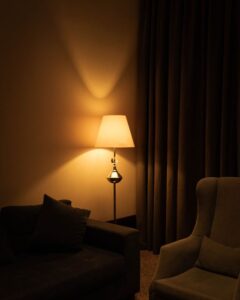

A screen-light evening is a simple way to create more space for rest, connection, and activities that do not require a phone, tablet, computer, or television. The goal is not to avoid technology perfectly. Instead, it is to reduce unnecessary screen use and make your evening feel more intentional.
With a little planning, you can build an evening routine that fits your schedule and interests. Whether you have 30 minutes or several hours, small changes can make the time after work or school feel calmer and more enjoyable.
What Is a Screen-Light Evening?
A screen-light evening is a period when you limit recreational screen use and focus on offline activities. You may still use a device when it is necessary, such as checking an important message, setting an alarm, or following a recipe. The main idea is to avoid letting screens fill every quiet moment.
Unlike a strict digital detox, a screen-light evening is flexible. You can decide what works for you, such as:
– No television after dinner
– Keeping your phone in another room for one hour
– Avoiding social media in the evening
– Using screens only for essential tasks
– Choosing one planned program instead of scrolling between apps
The best approach is one you can repeat without feeling restricted.
Decide What You Want From the Evening
Before planning activities, think about how you want to feel at the end of the evening. Your answer can guide the rest of your choices.
You may want to:
– Slow down after a busy day
– Spend quality time with family or friends
– Enjoy a hobby
– Prepare for tomorrow
– Create a peaceful transition between work and bedtime
– Have more time for reading, writing, or conversation
Keep your goal simple. For example, you might decide that your screen-light evening is meant to help you feel organized and relaxed. This can make it easier to choose activities that support that goal.
Set a Start Time
A clear starting point makes the plan easier to follow. Choose a time that fits your regular schedule, such as after dinner or after completing household tasks.
You could begin with a short period:
– 30 minutes on a busy weekday
– One hour after dinner
– Two hours before bed
– A full evening once a week
There is no need to start with a long period. A smaller commitment is often easier to maintain and can gradually become a familiar part of your routine.
If your evening includes necessary screen use, create a simple boundary. For instance, you might check messages at 7:00 p.m. and then put your phone away until the next morning.
Prepare Your Space
Your surroundings can make the change feel natural. Before the screen-light period begins, put away devices that may distract you. You can place your phone on a charger outside the main living area or turn off notifications.
Consider preparing a few useful items in advance:
– A book or magazine
– A notebook and pen
– A puzzle or board game
– Art or craft supplies
– Comfortable clothing
– Tea, water, or another favorite drink
– Ingredients for a simple meal or snack
Good lighting can also make the evening feel more inviting. Turn on a lamp, use softer room lighting, or light an unscented candle if it is safe to do so. Small details can help signal that the day is changing pace.
Choose Offline Activities
The most successful screen-light evenings include activities you genuinely enjoy. Make a short list so you do not have to decide what to do after putting your devices away.
Quiet Activities
If you want a peaceful evening, try:
– Reading a novel or collection of essays
– Writing in a journal
– Doing a crossword or logic puzzle
– Drawing, coloring, or sketching
– Listening to music
– Practicing a simple craft
– Organizing photographs or keepsakes
Choose activities that match your energy level. A quiet hobby may be ideal after a demanding day, while a hands-on project may be more enjoyable when you still have energy to spare.
Social Activities
A screen-light evening can also be a good opportunity to connect with others. Try:
– Cooking dinner together
– Playing a card or board game
– Taking a walk with a friend
– Having a face-to-face conversation
– Sharing stories about the day
– Completing a household project as a team
If you live alone, you can still include social time by inviting someone over, meeting a friend for a walk, or having a phone call during the planned period. The aim is to reduce casual screen use, not to avoid meaningful connection.
Practical Activities
Some people find it relaxing to complete a few simple tasks before settling down. You might:
– Prepare lunch for the next day
– Choose an outfit
– Tidy one small area
– Plan tomorrow’s priorities
– Water plants
– Prepare breakfast ingredients
– Pack a bag for work or school
Keep these tasks limited. The evening should not become another work session. Choose only a few actions that make tomorrow easier.
Plan a Simple Evening Flow
A basic structure can help your evening feel organized without becoming rigid. Here is one example:
6:30 p.m. — Finish Essential Tasks
Complete urgent messages, set reminders, and handle any necessary online tasks. Once you finish, place your devices away from your main seating area.
7:00 p.m. — Have Dinner
Eat without scrolling or watching a program. Use the time to enjoy the food, talk with others, or simply pay attention to the meal.
7:45 p.m. — Choose an Activity
Read, play a game, work on a hobby, or take a walk. Select one activity rather than trying to fill the time with several unfinished projects.
8:45 p.m. — Prepare for Tomorrow
Spend 10 to 15 minutes handling simple preparations, such as packing a bag or writing a short to-do list.
9:00 p.m. — Wind Down
Move to a quieter activity, such as reading, stretching gently, listening to music, or writing in a journal. End the evening in a way that feels comfortable and unhurried.
This schedule is only a template. Adjust the times and activities to fit your responsibilities.
Make the Plan Flexible
Unexpected tasks will come up, and some evenings will not go as planned. A flexible approach helps you stay consistent without feeling as though you have failed.
If you need to use a screen, use it with a clear purpose. Ask yourself:
– What do I need to do?
– How long will it take?
– Can I complete it without opening unrelated apps?
– What will I do after I finish?
You can also create different versions of your routine. A “full” version might last two hours, while a shorter version might include 20 minutes of reading and five minutes of preparation for the next day.
Handle Common Challenges
The first few screen-light evenings may feel unusual. You may reach for your phone automatically or find it difficult to choose an activity. This is normal when changing a familiar routine.
Try these solutions:
– Keep your phone out of reach
– Turn off nonessential notifications
– Make a visible list of offline activities
– Start with a short screen-light period
– Invite someone else to join you
– Avoid planning too many tasks
– Keep a book or hobby supplies in an easy-to-see place
If you live with others, discuss the plan ahead of time. Agree on shared activities, quiet periods, or times when screens are still allowed.
Review What Worked
After a few evenings, take a moment to consider what you enjoyed. Notice which activities helped you feel relaxed, connected, or prepared for the next day.
You might ask:
– Did the evening feel calmer?
– Which activity held my attention?
– Was the start time realistic?
– Did I need more structure or less?
– What would I like to repeat?
Use your answers to improve the routine. A screen-light evening should support your life, not create another demanding rule. Start small, choose activities you enjoy, and let the routine develop naturally. With time, putting screens aside can become an easy invitation to slow down and enjoy the evening.