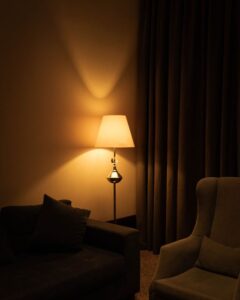
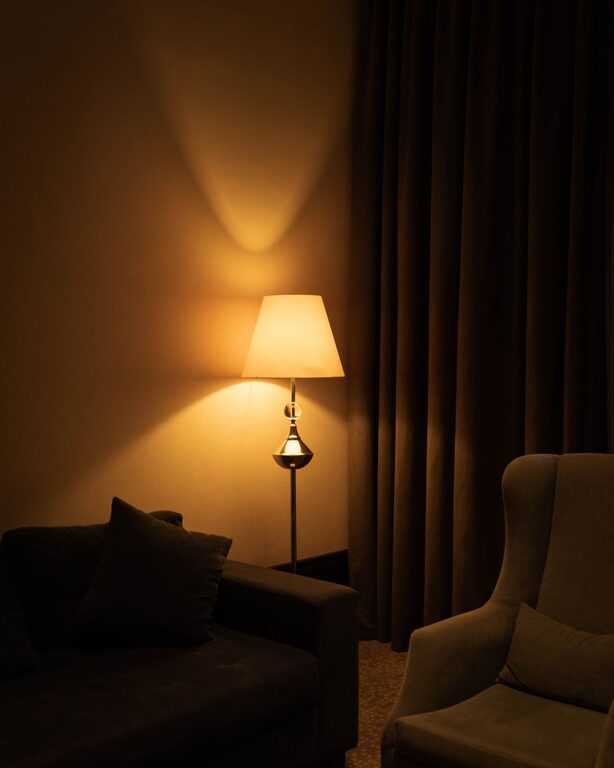
Good lighting can make a home feel warmer, more spacious, and easier to use. It can help you read comfortably, prepare meals safely, relax in the evening, and move through rooms with confidence. The best lighting plan combines several types of light instead of relying on a single bright ceiling fixture.
Comfortable lighting is not only about choosing attractive lamps. It also involves brightness, color, placement, control, and how light interacts with the room. With a few thoughtful choices, you can create spaces that look inviting and support your everyday routines.
Start With the Room’s Main Purpose
Before choosing a fixture or bulb, consider how each room is used. A bedroom, kitchen, home office, and living room all have different lighting needs.
Ask yourself:
– What activities take place in the room?
– Do you need focused light for reading, cooking, or working?
– Should the space feel energetic, calm, or flexible?
– Does the room receive much natural light?
– Are there areas that currently feel too dark or cause glare?
For example, a kitchen often needs bright, even light for countertops and food preparation. A living room may benefit from softer, layered lighting that supports conversation, reading, and relaxing. A bedroom usually works best with gentle, adjustable light rather than a strong overhead fixture.
Use Three Layers of Lighting
A balanced room usually includes three main layers: ambient, task, and accent lighting. Each layer serves a different purpose, and combining them helps prevent a space from feeling either too dim or overly bright.
Ambient Lighting
Ambient lighting provides general illumination throughout the room. It may come from ceiling fixtures, recessed lights, chandeliers, wall sconces, or floor lamps.
This layer should make it easy to move around and see the room without creating harsh shadows. Rather than choosing one very powerful fixture, consider spreading light across several sources. This often creates a more even and comfortable result.
Task Lighting
Task lighting is designed for specific activities. Examples include:
– Under cabinet lights for kitchen counters
– Desk lamps for writing or computer work
– Reading lamps beside a chair or bed
– Vanity lights near a bathroom mirror
– Pendant lights above a kitchen island or dining table
Task lighting should be placed close enough to the work area to be useful, but not so close that it creates sharp glare or unwanted shadows.
Accent Lighting
Accent lighting highlights features such as artwork, shelving, plants, architectural details, or textured walls. It adds depth and personality to a room.
You can use small wall lights, picture lights, track lighting, or adjustable spotlights for this purpose. Accent lighting does not need to be very bright. Its role is to draw attention and add visual interest.
Choose a Comfortable Light Color
Light color affects how a room feels. Bulbs are commonly described using a measurement called color temperature, shown in Kelvins. Lower numbers generally create a warmer, more golden light, while higher numbers produce a cooler, bluer appearance.
For many homes:
– Warm white light feels cozy and works well in bedrooms and living rooms.
– Neutral white light is useful in kitchens, bathrooms, and work areas.
– Cool white light can feel crisp, but may seem harsh in relaxing spaces.
There is no single correct choice for every home. The color of your walls, flooring, furniture, and natural light can affect how a bulb appears. If possible, test a bulb in the room before buying several of the same type.
Using similar light colors within one room usually creates a more polished look. Mixing very warm and very cool bulbs in the same space can make the lighting feel uneven.
Pay Attention to Brightness
Brightness is often measured in lumens. A higher lumen rating means the bulb produces more light, but the brightest option is not always the most comfortable.
A room with pale walls and plenty of daylight may need less artificial light than a room with dark finishes or few windows. Smaller lamps can also provide enough illumination when they are placed close to the area where light is needed.
Choose brightness based on the room and activity:
– Lower brightness can suit bedside lamps and decorative fixtures.
– Medium brightness often works well for living areas and hallways.
– Higher brightness may be helpful for kitchens, garages, and detailed tasks.
Dimmable bulbs and fixtures provide extra flexibility. They allow you to use brighter light when needed and lower the brightness during quiet evenings.
Reduce Glare and Harsh Shadows
Glare can make lighting uncomfortable, especially when a bare bulb is visible or a fixture reflects directly from a glossy surface. To reduce glare, choose shades, frosted bulbs, or fixtures that direct light downward or across a wall.
You can also improve comfort by:
– Placing lamps beside, rather than directly in front of, seating areas
– Avoiding exposed bulbs at eye level
– Using shades that soften the light
– Positioning desk lamps so your hand does not cast a shadow over your work
– Keeping bright fixtures away from computer screens and televisions
– Using indirect light that bounces off walls or ceilings
A lamp with an adjustable head can help direct light exactly where it is needed without shining into someone’s eyes.
Consider Natural Light
Natural light should be part of your overall lighting plan. Notice when sunlight enters each room and how its direction changes throughout the day.
Light curtains and blinds can help control brightness while preserving daylight. Mirrors and pale surfaces may help distribute natural light, while darker colors tend to absorb it.
At night, artificial lighting should support the room without creating a sharp contrast with nearby windows. Layered lighting makes it easier to adjust the room as daylight fades.
Choose Fixtures That Fit the Space
The size and shape of a fixture should suit the room. A very small light may look out of place in a large space and fail to provide enough illumination. A large, visually heavy fixture can overwhelm a small room.
Before purchasing, measure the area and check the fixture’s dimensions. For hanging lights, consider ceiling height, furniture placement, and walking paths. Dining lights should provide useful illumination without blocking views across the table.
Also consider maintenance. Fixtures with complicated shapes or many small parts may be attractive but harder to clean. In areas such as kitchens, choose materials and designs that are easy to wipe down.
Add Convenient Controls
Lighting controls can make a room much more comfortable. Separate switches for different layers allow you to create several settings for the same space.
For example, a living room might have:
– General ceiling lighting for cleaning
– A floor lamp for reading
– Accent lights for evening atmosphere
Dimmer switches are especially useful in rooms with multiple purposes. Timers, motion sensors, and smart controls can also help in hallways, entryways, and outdoor areas. Choose controls that are simple for everyone in the household to use.
Think About Energy Use
Energy-efficient bulbs can reduce electricity use and often last longer than older bulb types. LED bulbs are available in many shapes, brightness levels, and light colors, making them suitable for most rooms.
When comparing bulbs, check:
– Lumens for brightness
– Color temperature for light appearance
– Dimmability if you use a dimmer
– Estimated lifespan
– Compatibility with the fixture
Avoid installing a bulb that exceeds the fixture’s recommended wattage. Always follow the manufacturer’s instructions, particularly in enclosed fixtures or damp locations.
Create a Simple Room-by-Room Plan
You do not need to replace every light at once. Begin with the areas that cause the most discomfort or are used most often. A practical plan may include:
- Improve general lighting in dark rooms.
- Add task lighting where activities are difficult.
- Replace harsh bulbs with softer, better-matched options.
- Install dimmers or separate switches where possible.
- Add accent lighting to improve the room’s atmosphere.
After making changes, spend time using the room at different times of day. Small adjustments to lamp placement or brightness can make a noticeable difference.
Comfortable home lighting comes from balance. Combine multiple light sources, choose colors and brightness levels that match each room, reduce glare, and use controls that let you adjust the atmosphere. With a thoughtful approach, lighting can make your home more practical, welcoming, and pleasant every day.