Clothes can last much longer with a few simple care habits. Proper washing, drying, storage, and minor repairs help protect fabric, preserve color, and reduce everyday wear. You do not need special equipment or expensive products. Small changes to your routine can make a noticeable difference.
Read the Care Label
Before washing a new garment, check its care label. The instructions explain how to clean and dry the item safely. They may also include information about water temperature, ironing, bleaching, and professional cleaning.
Pay attention to symbols and written instructions such as:
– Machine wash or hand wash
– Cold, warm, or hot water
– Tumble dry or air dry
– Do not bleach
– Iron at a low, medium, or high temperature
– Dry clean only
If you are unsure, choose the gentlest option. Cold water, a mild cycle, and air drying are generally safer than high heat and strong washing settings.
Wash Clothes Only When Needed
Washing removes dirt and odors, but repeated washing can slowly weaken fibers and fade colors. Not every item needs to be washed after one use.
Items such as underwear, socks, workout clothes, and clothing worn in hot weather usually need frequent washing. Outer layers, sweaters, jeans, and jackets may only need cleaning when they are visibly dirty or no longer fresh.
Between wears, hang clothes in a well-ventilated area. Letting them air out can reduce odors and moisture. Always wash items sooner if they have stains, strong odors, or contact with sweat, food, or other substances.
Sort Laundry Carefully
Sorting laundry helps prevent color transfer and protects delicate fabrics. At a minimum, separate light colors, dark colors, and bright colors. New dark or brightly colored garments may release extra dye during their first few washes, so wash them separately or with similar colors.
You can also sort clothes by fabric weight and care needs. Heavy towels and denim can rub against lightweight shirts and cause unnecessary wear. Keep delicate garments away from rough items with zippers, buttons, or hooks.
Before starting the washer:
– Empty all pockets
– Close zippers
– Fasten hooks and buttons
– Tie loose strings
– Turn printed or dark garments inside out
– Place small or delicate items in a mesh laundry bag
These steps help prevent snags, stretching, and damage during the wash.
Use the Right Amount of Detergent
More detergent does not always mean cleaner clothes. Too much can leave residue on fabric, attract more dirt, and make clothes feel stiff. Follow the instructions on the detergent package and adjust the amount for the size of the load and the level of dirt.
Use a gentle detergent for delicate fabrics when the care label recommends it. Avoid using bleach unless the garment label allows it. Even color-safe products can affect certain materials, dyes, or finishes.
Do not overload the washing machine. Clothes need room to move through the water. An overcrowded drum can lead to uneven cleaning, more wrinkles, and extra friction between garments.
Choose Cooler Water and Gentle Cycles
For many everyday clothes, cold or cool water is enough. Cooler temperatures can help reduce fading, shrinking, and damage to elastic fibers. They also use less energy than hot-water cycles.
Use a gentle or delicate cycle for lightweight fabrics, knitwear, and garments with decorative details. Select a regular cycle for sturdier items that can handle more movement.
Avoid washing delicate fabrics with heavy items. For example, a lightweight blouse may not belong in the same load as towels or work clothing. When in doubt, follow the care label rather than relying on the fabric’s appearance.
Treat Stains Quickly
Fresh stains are usually easier to remove than old, dried stains. Gently blot a spill with a clean cloth instead of rubbing it aggressively. Rubbing can push the stain deeper into the fibers or spread it across the fabric.
For many common stains, rinse the affected area with cool water from the back of the fabric. This can help push the substance away from the material. Apply a small amount of suitable detergent and let it sit according to the product instructions.
Check the stain before drying the garment. Heat can set some stains permanently. If the mark remains, repeat the treatment rather than placing the item in a hot dryer.
Always test a cleaning product on a hidden area first, especially when working with dark colors or delicate fabrics.
Dry Clothes Gently
High heat can shrink fabric, weaken elastic, and cause colors to fade. Whenever possible, air dry clothes on a rack or hanger. Spread knitwear flat on a clean, dry towel to help it keep its shape.
Avoid hanging wet, heavy sweaters, since their weight can stretch the shoulders. Instead, reshape them gently and dry them flat. For shirts and lightweight garments, use sturdy hangers that support the shoulders.
If you use a dryer, choose a lower heat setting and remove clothes while they are slightly damp. Shake them out and hang or fold them promptly to reduce wrinkles. Clean the lint filter after every load to support safe and efficient drying.
Do not place garments in direct, strong sunlight for long periods. Sunlight can fade some dyes, especially on dark or bright fabrics. A shaded, well-ventilated location is often a better choice.
Store Clothes Properly
Good storage protects clothes from dust, moisture, stretching, and unnecessary creases. Make sure garments are completely dry before putting them away. Storing damp clothing can lead to unpleasant odors and fabric damage.
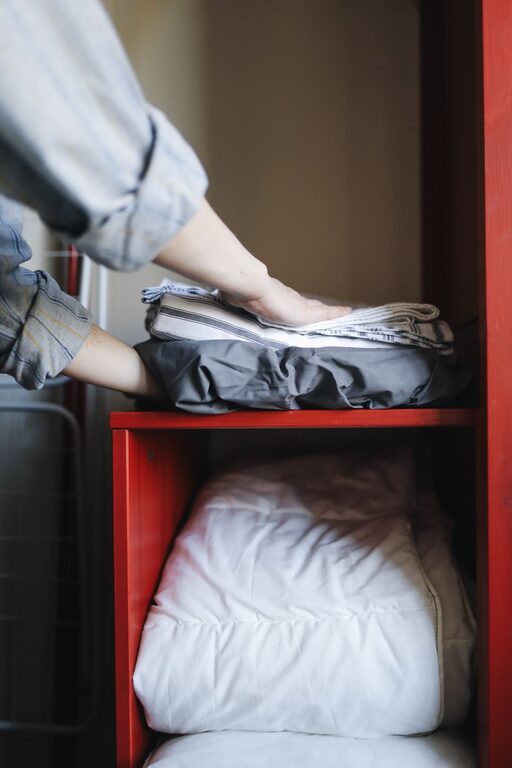
Fold heavy sweaters, knitwear, and stretchy garments instead of hanging them. Hangers can pull on the fabric and create shoulder marks. Hang structured items such as coats, jackets, and button-up shirts on properly shaped hangers.
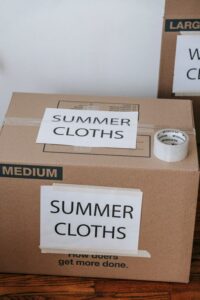
Leave enough space between garments so air can circulate. Crowded closets can cause wrinkles and make it harder to notice stains or damage. Store seasonal clothing in clean, breathable containers rather than tightly packed plastic bags.
Keep clothes away from damp areas, direct sunlight, and strong odors. Before storing seasonal items, wash or clean them and check for stains. Small food or beverage marks may attract insects over time.
Handle Clothes With Care
Pay attention to how you put on, remove, and wear your clothes. Pulling hard on sleeves, collars, or waistbands can stretch the fabric. Remove jewelry or accessories that may catch on delicate materials.
Rotate your wardrobe when possible. Wearing the same few items repeatedly creates more frequent washing and wear. Giving clothes time between wears allows moisture to evaporate and helps them maintain their shape.
Use an apron or an older shirt when cooking, cleaning, gardening, or doing projects. This simple habit can protect everyday clothing from stains, spills, and snags.
Repair Small Problems Early
A loose button, tiny hole, or open seam is easier to fix when it is first noticed. Delaying repairs can allow the problem to grow and make the garment more difficult to save.
Keep a small repair kit with basic supplies such as:
– Matching thread
– Needles
– Small scissors
– Safety pins
– Spare buttons
– Fabric patches
Trim loose threads instead of pulling them. Repair small snags carefully, and reinforce weak seams before they split. If a garment needs a complex repair, a tailor or clothing repair service may be able to extend its useful life.
Caring for clothes longer is mostly about reducing unnecessary stress on fabric. Wash items thoughtfully, use gentle drying methods, store them well, and repair minor damage promptly. These habits help your favorite garments stay comfortable and presentable while reducing the need to replace them as often.